Buy my-bicycle.eu ?
We are moving the project
my-bicycle.eu .
Are you interested in purchasing the domain
my-bicycle.eu ?
domain@kv-gmbh.de · 0541-91531010
Buy my-bicycle.eu ?
Does an insulator contain no charge carriers and does an insulator contain charge carriers that cannot move?
An insulator does contain charge carriers, but these charge carriers are typically bound to their atoms and cannot move freely within the material. This is why insulators do not conduct electricity well. The lack of free-moving charge carriers is what distinguishes insulators from conductors, where charge carriers are able to move easily. **
Why is air no longer an ideal insulator at high voltage?
Air is no longer an ideal insulator at high voltage because at high voltages, the electric field strength in the air becomes so strong that it can cause the air molecules to ionize and become conductive. This breakdown of air insulation is known as dielectric breakdown, and it allows electricity to flow through the air, effectively reducing its insulating properties. As a result, at high voltages, air is no longer able to effectively prevent the flow of electricity, making it unsuitable as an insulator in high voltage applications. **

Similar search terms for No Insulator
Top-Angebote
Products related to No Insulator:
-
Lindy USB-C Port Blocker Extra Lock Pack (10x Locks, No Key) - PinkRefill pack of 10 pink USB-C port blocker locks from Lindy (part no. 40437). The locks plug into USB-C ports to physically stop unauthorised users connecting pen drives, storage or mobile devices to shared workstations and public-facing equipment.No key is included: the locks are inserted and removed with a Lindy pink USB-C port blocker key, sold separately. The locks only work with the key of the matching colour.36,49 £*Shipping: 0,00 £Secure redirect to the provider
-
Lindy USB-C Port Blocker Extra Lock Pack (10x Locks, No Key) - OrangeUSB Type C Port Blockers are useful little devices that system administrators can use to physically prevent access to USB ports. USB Port Blockers allow locks to be inserted and removed from USB ports to stop unauthorised users from inserting pen drives, USB mass storage and mobile devices into shared workstations or devices with USB ports in public spaces.To use, simply attach a lock to the key and insert it into the USB port. Release the sliding mechanism on the key to leave the lock in place. To remove, simply insert the key back into the lock and pull away.Please note: these blockers are only compatible with the corresponding colour of port blocker key28,49 £*Shipping: 0,00 £Secure redirect to the provider
-
Lindy USB-A Port Blocker Extra Lock Pack (10x Locks, No Key) - GreenUSB Port Blockers are useful little devices that system administrators can use to physically prevent access to USB ports. USB Port Blockers allow locks to be inserted and removed from USB ports to stop unauthorised users from inserting pen drives, USB mass storage and mobile devices into shared workstations or devices with USB ports in public spaces.To use, simply attach a lock to the key and insert it into the USB port. Release the sliding mechanism on the key to leave the lock in place. To remove, simply insert the key back into the lock and pull away.Please note: this key is only compatible with the corresponding colour of port blocker23,49 £*Shipping: 0,00 £Secure redirect to the provider
-
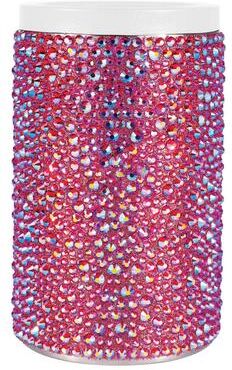
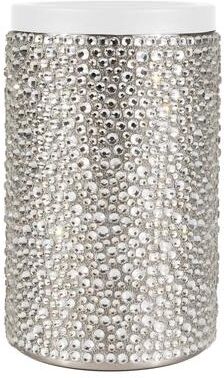
Sparkles Home Strass Rhinestone Can InsulatorIntroducing our Strass Can Insulator, because wherever you are, your drink deserves a touch of glam on the go! Designed for regular-sized aluminum cans, this blingy can insulator shines bright with genuine glass rhinestones.37,99 $*Shipping: 0,00 $Secure redirect to the provider


-
What is an insulating porcelain insulator?
An insulating porcelain insulator is a type of electrical insulator made from porcelain material. It is designed to support and insulate electrical conductors, such as wires or cables, from the structure they are attached to. Porcelain insulators are known for their high mechanical strength, resistance to electrical and thermal stress, and ability to withstand harsh environmental conditions. They are commonly used in electrical power transmission and distribution systems to prevent the flow of electricity to the supporting structure. **
-
Is the universe a conductor or an insulator?
The universe as a whole can be considered an insulator. This is because the vast majority of space is a vacuum, which means it contains very few particles to conduct electricity. Additionally, the universe is filled with a variety of insulating materials such as gas, dust, and dark matter, which further inhibit the flow of electrical currents. However, there are regions within the universe, such as within stars and galaxies, where conductive materials and processes are present. **
-
What is the connection between conductor, insulator, and high voltage conductor?
Conductors, insulators, and high voltage conductors are all related to the flow of electricity. Conductors are materials that allow the flow of electricity, while insulators are materials that do not allow the flow of electricity. High voltage conductors are specifically designed to carry high levels of electrical energy safely and efficiently. In electrical systems, conductors are used to carry the electrical current, while insulators are used to prevent the flow of electricity to unwanted areas. High voltage conductors are often made of materials that have high conductivity and are designed to handle the increased electrical load without overheating or breaking down. **
-
Am I afraid of getting an electric shock from an insulator?
No, insulators are designed to prevent the flow of electricity, so the risk of getting an electric shock from an insulator is very low. Insulators are used to isolate and protect conductive materials from electricity, so as long as the insulator is intact and functioning properly, there should be no fear of getting an electric shock from it. However, it is always important to exercise caution around electrical equipment and to follow proper safety procedures to minimize the risk of electric shock. **

What is the difference between a conductor and an insulator in physics?
In physics, a conductor is a material that allows the flow of electric current, due to the presence of free electrons that can move easily through the material. Examples of conductors include metals like copper and aluminum. On the other hand, an insulator is a material that does not allow the flow of electric current, as it has very few free electrons that can move. Examples of insulators include rubber, glass, and plastic. The main difference between conductors and insulators lies in their ability to conduct electricity, with conductors allowing the flow of current and insulators blocking it. **
Are there no locks for toilets?
In some public restrooms, there are locks on the toilet stall doors to provide privacy and security. However, in other facilities, especially in older or more basic restrooms, there may not be locks on the toilet stall doors. It ultimately depends on the design and maintenance of the specific restroom. It's always a good idea to check for a lock or ask an attendant if privacy is a concern. **
Top-Angebote
Products related to No Insulator:
-
Sparkles Home Strass Rhinestone Can InsulatorIntroducing our Strass Can Insulator, because wherever you are, your drink deserves a touch of glam on the go! Designed for regular-sized aluminum cans, this blingy can insulator shines bright with genuine glass rhinestones.37,99 $*Shipping: 0,00 $Secure redirect to the provider
-
Lindy USB-C Port Blocker Extra Lock Pack (10x Locks, No Key) - PinkRefill pack of 10 pink USB-C port blocker locks from Lindy (part no. 40437). The locks plug into USB-C ports to physically stop unauthorised users connecting pen drives, storage or mobile devices to shared workstations and public-facing equipment.No key is included: the locks are inserted and removed with a Lindy pink USB-C port blocker key, sold separately. The locks only work with the key of the matching colour.36,49 £*Shipping: 0,00 £Secure redirect to the provider
-
Lindy USB-C Port Blocker Extra Lock Pack (10x Locks, No Key) - OrangeUSB Type C Port Blockers are useful little devices that system administrators can use to physically prevent access to USB ports. USB Port Blockers allow locks to be inserted and removed from USB ports to stop unauthorised users from inserting pen drives, USB mass storage and mobile devices into shared workstations or devices with USB ports in public spaces.To use, simply attach a lock to the key and insert it into the USB port. Release the sliding mechanism on the key to leave the lock in place. To remove, simply insert the key back into the lock and pull away.Please note: these blockers are only compatible with the corresponding colour of port blocker key28,49 £*Shipping: 0,00 £Secure redirect to the provider
-
Does an insulator contain no charge carriers and does an insulator contain charge carriers that cannot move?
An insulator does contain charge carriers, but these charge carriers are typically bound to their atoms and cannot move freely within the material. This is why insulators do not conduct electricity well. The lack of free-moving charge carriers is what distinguishes insulators from conductors, where charge carriers are able to move easily. **
-
Why is air no longer an ideal insulator at high voltage?
Air is no longer an ideal insulator at high voltage because at high voltages, the electric field strength in the air becomes so strong that it can cause the air molecules to ionize and become conductive. This breakdown of air insulation is known as dielectric breakdown, and it allows electricity to flow through the air, effectively reducing its insulating properties. As a result, at high voltages, air is no longer able to effectively prevent the flow of electricity, making it unsuitable as an insulator in high voltage applications. **
-
What is an insulating porcelain insulator?
An insulating porcelain insulator is a type of electrical insulator made from porcelain material. It is designed to support and insulate electrical conductors, such as wires or cables, from the structure they are attached to. Porcelain insulators are known for their high mechanical strength, resistance to electrical and thermal stress, and ability to withstand harsh environmental conditions. They are commonly used in electrical power transmission and distribution systems to prevent the flow of electricity to the supporting structure. **
-
Is the universe a conductor or an insulator?
The universe as a whole can be considered an insulator. This is because the vast majority of space is a vacuum, which means it contains very few particles to conduct electricity. Additionally, the universe is filled with a variety of insulating materials such as gas, dust, and dark matter, which further inhibit the flow of electrical currents. However, there are regions within the universe, such as within stars and galaxies, where conductive materials and processes are present. **
Similar search terms for No Insulator
-
Lindy USB-A Port Blocker Extra Lock Pack (10x Locks, No Key) - GreenUSB Port Blockers are useful little devices that system administrators can use to physically prevent access to USB ports. USB Port Blockers allow locks to be inserted and removed from USB ports to stop unauthorised users from inserting pen drives, USB mass storage and mobile devices into shared workstations or devices with USB ports in public spaces.To use, simply attach a lock to the key and insert it into the USB port. Release the sliding mechanism on the key to leave the lock in place. To remove, simply insert the key back into the lock and pull away.Please note: this key is only compatible with the corresponding colour of port blocker23,49 £*Shipping: 0,00 £Secure redirect to the provider
-
Sparkles Home Strass Rhinestone Can InsulatorIntroducing our Strass Can Insulator, because wherever you are, your drink deserves a touch of glam on the go! Designed for regular-sized aluminum cans, this blingy can insulator shines bright with genuine glass rhinestones.37,99 $*Shipping: 0,00 $Secure redirect to the provider
-
Sparkles Home Strass Rhinestone Can InsulatorIntroducing our Strass Can Insulator, because wherever you are, your drink deserves a touch of glam on the go! Designed for regular-sized aluminum cans, this blingy can insulator shines bright with genuine glass rhinestones.37,99 $*Shipping: 0,00 $Secure redirect to the provider
-
Sparkles Home Strass Rhinestone Can InsulatorIntroducing our Strass Can Insulator, because wherever you are, your drink deserves a touch of glam on the go! Designed for regular-sized aluminum cans, this blingy can insulator shines bright with genuine glass rhinestones.37,99 $*Shipping: 0,00 $Secure redirect to the provider
-
What is the connection between conductor, insulator, and high voltage conductor?
Conductors, insulators, and high voltage conductors are all related to the flow of electricity. Conductors are materials that allow the flow of electricity, while insulators are materials that do not allow the flow of electricity. High voltage conductors are specifically designed to carry high levels of electrical energy safely and efficiently. In electrical systems, conductors are used to carry the electrical current, while insulators are used to prevent the flow of electricity to unwanted areas. High voltage conductors are often made of materials that have high conductivity and are designed to handle the increased electrical load without overheating or breaking down. **
-
Am I afraid of getting an electric shock from an insulator?
No, insulators are designed to prevent the flow of electricity, so the risk of getting an electric shock from an insulator is very low. Insulators are used to isolate and protect conductive materials from electricity, so as long as the insulator is intact and functioning properly, there should be no fear of getting an electric shock from it. However, it is always important to exercise caution around electrical equipment and to follow proper safety procedures to minimize the risk of electric shock. **
-
What is the difference between a conductor and an insulator in physics?
In physics, a conductor is a material that allows the flow of electric current, due to the presence of free electrons that can move easily through the material. Examples of conductors include metals like copper and aluminum. On the other hand, an insulator is a material that does not allow the flow of electric current, as it has very few free electrons that can move. Examples of insulators include rubber, glass, and plastic. The main difference between conductors and insulators lies in their ability to conduct electricity, with conductors allowing the flow of current and insulators blocking it. **
-
Are there no locks for toilets?
In some public restrooms, there are locks on the toilet stall doors to provide privacy and security. However, in other facilities, especially in older or more basic restrooms, there may not be locks on the toilet stall doors. It ultimately depends on the design and maintenance of the specific restroom. It's always a good idea to check for a lock or ask an attendant if privacy is a concern. **
* All prices are inclusive of VAT and, if applicable, plus shipping costs. The offer information is based on the details provided by the respective shop and is updated through automated processes. Real-time updates do not occur, so deviations can occur in individual cases. ** Note: Parts of this content were created by AI.